The acquisition gives Biogen near-term revenue, but the more important prize may be something pharma rarely gets to buy fully formed: a nephrology commercial platform.
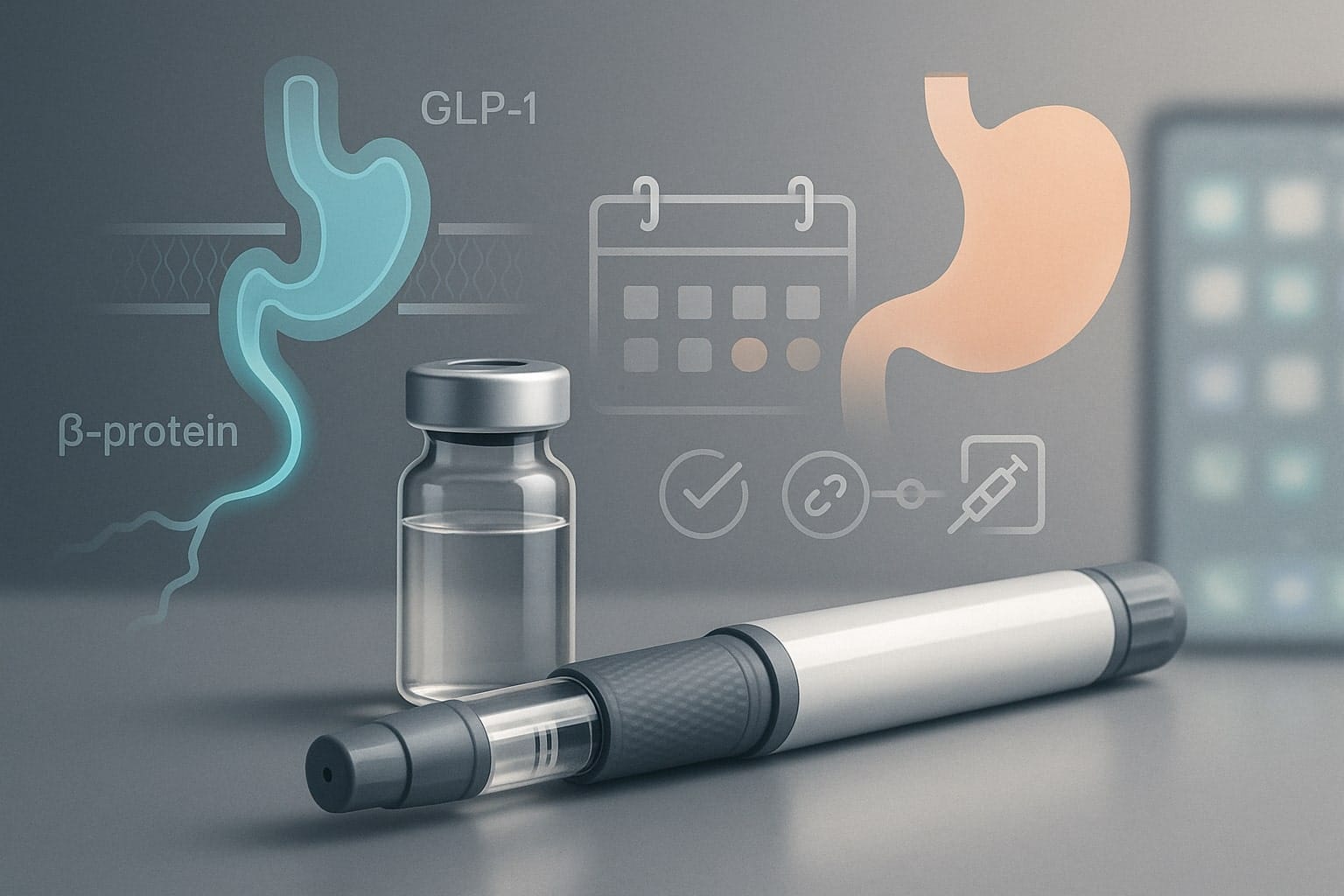
On March 31, Biogen agreed to buy Apellis for about $5.6 billion, paying $41 a share in cash plus contingent payments tied to future Syfovre sales. The obvious reading is portfolio diversification: Biogen needs new growth as its multiple sclerosis business ages. But Biogen has been unusually explicit that the strategic prize is nephrology. Apellis does not just bring a drug; it brings sales infrastructure, specialist relationships, and commercial know-how in kidney disease that Biogen believes can support a broader franchise.
The timing makes the logic look deliberate rather than opportunistic. In February, Biogen said it was looking for takeover targets worth roughly $5 billion to $6 billion that had late-stage assets or products in early commercialization. Apellis fits that description almost perfectly: two marketed products, a fresh kidney launch, and a platform that can be used far beyond one label. This was not Biogen stumbling into a deal. It was Biogen telegraphing a need and then buying almost exactly to spec.
A premium for more than revenue
The structure of the offer tells its own story. Apellis holders get $41 per share upfront, a roughly 140% premium to the stock’s previous close, plus two possible $2 CVR payments if Syfovre reaches global annual sales thresholds of $1.5 billion and $2 billion between 2027 and 2030. Biogen says the transaction should be increasingly accretive from 2027 and that it expects to de-lever by the end of 2027. That is not the profile of a desperate rescue deal. It is the profile of a company willing to pay heavily for a platform, while still making part of the future eye-drug upside contingent rather than guaranteed.
Biogen also needs that platform sooner rather than later. In its February results, the company said it expects 2026 revenue to decline by a mid-single-digit percentage as older multiple sclerosis products continue to erode, even though newer growth products are helping. In plain English, Biogen has pipeline ambition but still needs nearer-term commercial ballast. Apellis gives it just that: immediate revenue, launch infrastructure, and a plausible bridge between today’s declining legacy franchise and tomorrow’s kidney readouts.
This is not yet a pure kidney story
Still, the kidney narrative can hide an awkward truth about the current numbers. Apellis reported $689 million in 2025 net product revenue, but $586.9 million of that came from Syfovre, its geographic atrophy drug, while Empaveli contributed $102.4 million across its approved uses, including PNH and kidney disease. Based on those reported figures, roughly 85% of Apellis’s 2025 product revenue came from the eye franchise, not the kidney franchise. Biogen is therefore not buying a scaled nephrology business today. It is buying an ophthalmology-led revenue base and betting that nephrology can become the larger strategic story tomorrow.
That helps explain why investors had mixed reactions. Apellis shares more than doubled on the announcement, but Biogen fell nearly 5%. The debate is easy to understand: Biogen clearly sees more value in Apellis than the market had been assigning to a company whose stock had closed at $17.09 the day before the deal. The company is effectively arguing that Apellis’s worth lies not only in current sales, but in the combination of complement biology, specialist access, and franchise-building potential.
Why kidney disease is starting to look commercially different
Kidney disease has long been one of medicine’s most underexploited categories: huge in public-health terms, but often commercially messy because diagnosis is late, patients are heterogeneous, and care runs through specialists rather than mass-market prescribing channels. The CDC’s latest update says an estimated 37 million U.S. adults, or 14% of the adult population, have chronic kidney disease, and about 87% of adults with CKD do not know they have it. The International Society of Nephrology says more than 850 million people worldwide have some form of kidney disease. Those are not niche numbers. They are the numbers of a giant category that has historically been hard to commercialize cleanly.

Rare kidney disease sharpens the opportunity. When the FDA approved Empaveli for C3G and primary IC-MPGN in July 2025, it became the first treatment for those diseases in patients 12 and older. Apellis says the diseases affect about 5,000 people in the United States, yet the burden is severe: roughly 50% of patients progress to kidney failure within five to 10 years of diagnosis, and about 90% of patients who have already received a transplant experience disease recurrence. In biotech terms, that is a recognizable orphan profile: very small populations, concentrated prescribers, and unusually clear unmet need.
Just as important, Apellis has already shown there may be a workable commercial model here. By the end of 2025, the company said Empaveli had accumulated 267 patient start forms in C3G and primary IC-MPGN, representing more than 5% penetration of the U.S. patient population after the first full quarter post-launch. It also said 95% of published payer policies covered the drug to label or with minimal restrictions. That is still early-stage traction, not proof of a blockbuster. But it is enough to make nephrology look less like an academic science project and more like a specialty market with real operating leverage.
Biogen is buying a launch platform
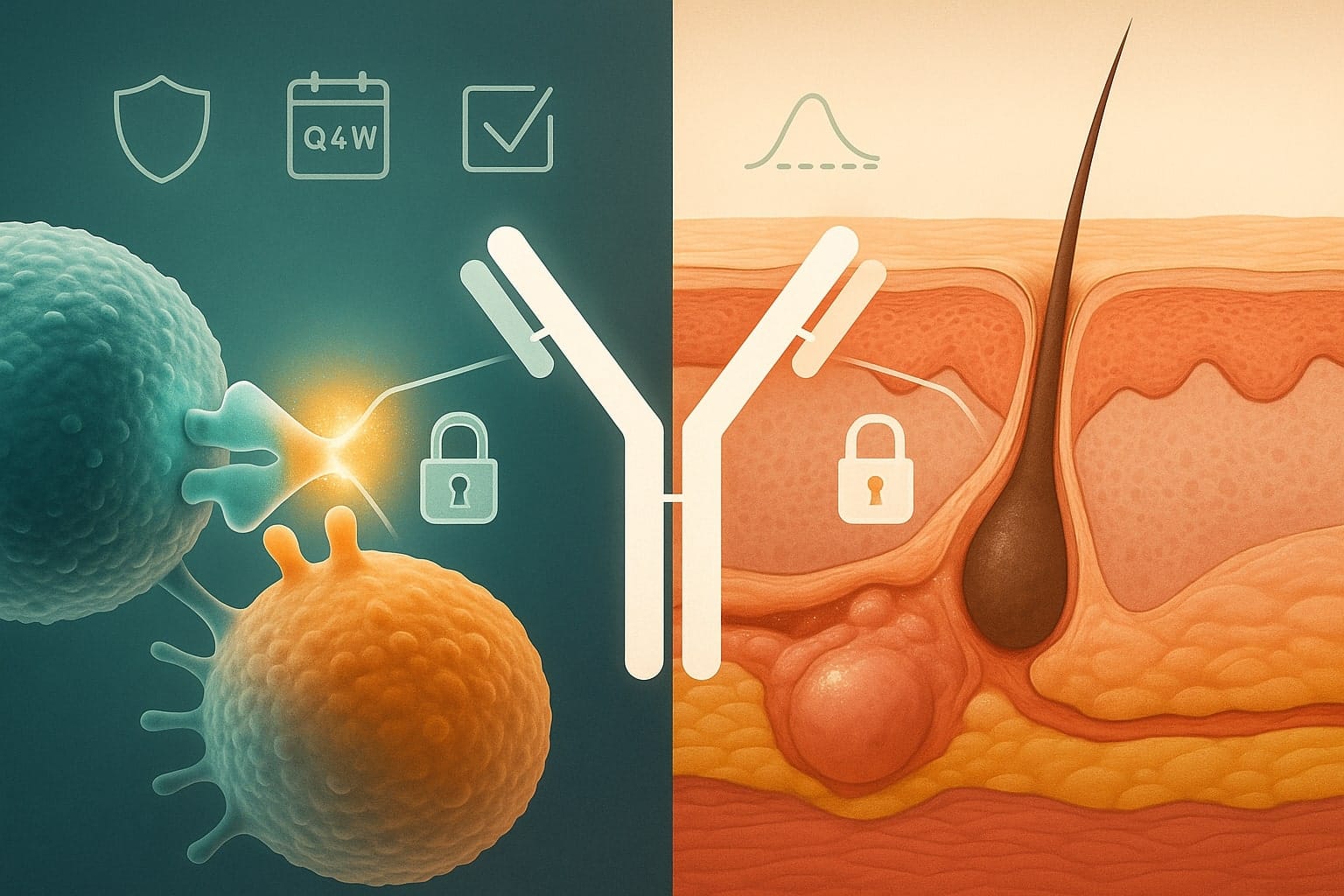
This is the real heart of the deal. Biogen’s own materials say Apellis brings U.S. infrastructure and expertise in nephrology that can provide a foundation for the potential launch of felzartamab, Biogen’s late-stage anti-CD38 antibody. The company has gone further than generic M&A language here: it has framed Apellis explicitly as a way to accelerate its path into nephrology. In other words, Biogen is not simply buying products. It is buying access, field capabilities, and credibility with kidney specialists.
That matters because felzartamab is not a one-shot kidney asset. Biogen has said it is running three Phase 3 felzartamab programs across rare kidney indications, with the first readout expected in 2027. Those programs span late antibody-mediated rejection in kidney transplant recipients, IgA nephropathy, and primary membranous nephropathy. For PMN alone, Biogen says there are currently no approved therapies specifically for the disease and estimates prevalence at roughly 36,000 patients in the United States. The commercial implication is obvious: Biogen is trying to arrive in nephrology before its broader pipeline does, not after.
Seen through that lens, the Apellis acquisition is really the second half of a strategy Biogen has already started. The 2024 HI-Bio acquisition gave Biogen felzartamab and a kidney-focused immune pipeline. The Apellis deal adds something equally important but less glamorous: marketed products, nephrology infrastructure, and a ready-made commercial shell. One transaction bought the future molecule. The next bought the launch environment that could make that molecule matter.
The risks are real
None of this makes the deal easy. Syfovre remains the financial anchor today, and Apellis reported that its U.S. net product revenue fell to $586.9 million in 2025 from $611.8 million in 2024. So while Biogen is talking about nephrology, the cash engine it is acquiring is still mostly retinal. That is part of why the CVR structure is so revealing: Biogen was willing to pay a big premium, but not to hand over every dollar of future Syfovre upside in cash on day one. The company sees material upside, yet it also plainly sees execution risk.
There is also the simple challenge of building scale in kidney disease. Biogen says the transaction should be increasingly accretive from 2027 and that it expects to preserve strategic flexibility after de-levering by year-end 2027. But nephrology is not a category where commercial narratives can be willed into existence overnight. Diagnosis takes time. Referral pathways take time. Reimbursement education takes time. The strategic logic of the acquisition is coherent. The operational timetable could still be slower and harder than the investor deck suggests.
The bigger signal for biotech
Even so, the broader message is hard to miss. A large biotech company facing legacy decline looked across the market and decided that kidney disease, long underdiagnosed, clinically complex, and commercially underdeveloped, was worth entering with a multibillion-dollar acquisition. That does not guarantee nephrology is biotech’s next hot sector. But it does suggest the field is shifting from overlooked burden category to investable specialty market, especially as targeted immunology, orphan economics, and specialist infrastructure start to line up.
The larger takeaway is simple. Biogen’s $5.6 billion bet is not only about Apellis, and not even only about Empaveli. It is a wager that the next durable biotech franchise may come from categories where the science is finally mature enough, the unmet need is obvious enough, and the specialist channel is concentrated enough to build a business before the crowd fully arrives. In that sense, the price may look high today. But to Biogen, the bigger risk may have been arriving too late.